Please enlarge your browser window
all the way open to view our site.
Atlanta & all metro locations 770 590-7880
Chicago &
all metro locations 847 989-0211
Orlando & all metro locations 407 314-2975
A+ Member Better Business Bureau

Proudly American
Owned and Operated
Scott Zaeske
President
"I have inspected over 10,000 homes myself
with over 23 years experience."
"We have had
over 200,000 web site hits helping people in
Atlanta, Chicago, and Florida."
"I inspect every home myself
so you will not get someone
unqualified to inspect your lifetime investment." "Many
regular home inspectors
do not even have indoor air quality testing equipment they just do a visual inspection."
"We
use the newest state of the art equipment to do indoor air quality testing, mold inspections, radon testing, asbestos testing,
and methamphetamine testing of surfaces."
Beautiful
energy saving true green built home for sale at :
http://www.buyowner.com/property.asp?code=ATL28767
Click link above house is priced right at $289,000 and be
sure to take the virtual tour of the home
it is located in a
beautiful country setting of horse farms and mountains.
OPEN HOUSE THIS WEEKEND !!!
Certified
Synthetic Stucco, EIFS, and Hard Coat Inspections
Certified Mold Testing and Indoor Air Quality Inspections
Certified Asbestos Inspections and Testing
Certified Radon Inspections and Testing
Certfied Methamphetamine Residue
Inspection and Testing
Certified Water Testing Inspections
Certified E Coli and Coliform Testing
MOLD - Please Read This
!!!
It is what we do not see in the air that can harm us. If we see spots of mold on a wall is it alive and producing
spores into the air? We perform indoor air quality and mold inspections working for you as an independant third party. We
have no vested interest in repairs so be careful of any Atlanta mold inspector that does repairs also. We will recommend the
right people if repairs and remediation are needed.
Stachybotrys mold is DEADLY...
Do you have
children?
Are there senior citizens?
Dogs and cats will die first...
Why wait to protect your family?
Tips I can give you after the recent Atlanta
flooding
1.Dry everything out.
2.Do not touch any possible visual mold.
3.Call us
770 590-7880.
4.We will do indoor air quality sampling and full mold inspection.
5.We take samples to microbiology
lab.
6.Test results available in 24 hours.
7.We write a full report on the lab results on how to clean the home
or building properly based on the mold test results. Many times home owners or building owners can clean the air themselve
but if professionals are needed I will write a Mold Remediation Specification for them to follow.
8.Follow up sampling
of the air after clean up is completed and lab testing to be sure the mold spore counts are low.
Scott Zaeske
770
590-7880 or 1-800-MOLD-LAB
Our families health is worth quite a bit especially after
numerous doctor visits with no results. Did you know a simple indoor air quality inspection and microbiology testing could
find the cause of sneezing, headaches, coughing, or just that sense of not quite feeling right.
Many of our clients mention that when they are at home they feel bad but once they
leave the home they feel better and returning home they feel bad again. This also holds true for people going to work once
they get to work they feel bad then leave the office and feel better.
We will do a full assessment of the home or office looking for any signs of indoor air contaminents or mold
spores. Next we do air sampling by using an air pump that literally pulls in the air and traps these contaminants.
We
take these spore trap samples to a microbiologist for testing and checking for over twenty different forms of mold and allergens.
We will then forward the test results to you via email
and review the findings with you and a course of remediation or clean up. If found early enough cleaning and disinfecting
is easy with most homeowners able to do this themselves.
The
tricky thing about indoor air quality testing is the things we do not see in the air that can hurt us. Stachybotrys toxic
mold or as it is called black mold of course will leave signs of it's presence but many more molds just stay in the air.
Petri dishes are available at Lowes and Home Depot but
they will not tell you what type mold is present nor will they tell you how much is in the air. We are in the business of
trying to make our clients feel better when they don't know which way to turn after trying numerous medications and
many doctor visits.
For Stucco Inspections www.allstucco.com
Complete inspection, indoor air quality sampling, microbiology testing, and
full report including remediation specification. Mold testing and indoor air quality testing should be a part of any real
estate transaction.
Normally we can have your inspection
done and the test results available within 48 to 72 hours or earlier upon request.
We handle all residential inspections, apartments, condominiums, commercial buildings, offices,
hospitals, hotels, and motels with no job being too small or too large.
Atlanta
- 770 590-7880
Chicago - 847 989-0211
Orlando - 407 314-2975
Many of our calls are from realtors, buyers, and sellers trying to make a real estate transition and mold
spots are detected. Normally if this is caught early enough it is not a big deal we sample it, test it, and report how to
clean it properly.
Our company is a totally independant
third party indoor air quality inspection company which means we have no vested interest in repairs or clean up. If cleaning
is needed by a professional company we will give you a name of a remediation company to clean and disinfect as needed per
our reporting. So this means you are protected from companies that do the inspection, testing, and repairs which usually means
thousands of dollars of unneeded repairs or cleaning costs.
We
have over 20 years expertise in moisture inspections, indoor air quality inspections, amd mold inspections.
We are a member the Better Business Bureau having been in business
as All Stucco and Mold Inspections Inc. since 1997.
My
name is Scott Zaeske President of All Stucco and Mold Inspections with over 10,000 inspections completed and reported we are
the number one indoor air quality specialists having done more inspections than all other companies combined.
For
stucco EIFS and Dryvit inspections go to : www.allstucco.com
Symptoms
of possible sick building syndrome: shortness of breath and/or exhaustion after minor
exercises such as walking, a burning
and watering of the eyes and nose, hoarse and sore throat and chronic cough, frequent headaches, chronic fatigue, difficulty
concentrating, dizziness, unexplained nausea, heart palpitations, sensitivity to odors, and nosebleeds.
If you believe you have sick building syndrome or have health problems related
to mold toxins you should contact us to set up a inspection.
Sick
building syndrome refers to an alarming trend among office workers who experience acute illness that researchers believe is
linked toxins in the air supply of a building. Sick Building Syndrome (SBS) has been documented across the country and typically
involves a large number of building workers or residents who experience ill health effects while working or living in the
building. Lawyers across the country have successfully represented people adversely affected by SBS.
There are believed to be many causes of sick building syndrome including mold. Many
of the conditions leading the the problem are a result of negligent design and maintenance. The primary causes of Sick Building
Syndrome are: poor ventilation, little air movement, excessive humidity, airborne pollution, and mold and mildew contamination.
The building industry in the last two decades has designed
buildings that have efficient ways of holding air inside a structure to save on air conditioning costs. Unfortunately the
trapped air is often not filtered properly or circulated. The buildings are tightly sealed, but often lack adequate ventilation,
leading to moisture buildup.The air control system can become invaded by mold spores leading to a rash of Sick Building Syndrome.
The symptoms of Sick Building Syndrome include common maladies
such as headaches as well as respiratory infections,asthma and serious allergies. Additional symptoms related to SBS include
cough, chest tightness, fever, chills, muscle aches, and allergic reactions such as mucous membrane irritation and upper respiratory
congestion.
Occupational Safety and Health Administration,
estimated that as many as a third of the 70 million Americans work in buildings that are contain air quality problems and
contaminants, including molds and bacteria.
1-800-MOLD-LAB
Please review some of the links below to help educate yourself about mold and some of the health risks associated
with it.
We also do Methamphetamine testing
of homes and commercial buildings be sure to check the home you plan on buying to be sure.
| Stachybotrys mold at home |
|
|
| Window leakage and moisture damage. |
| Stachybotrys Mold at School |
|
|
| Water leaks not repaired. |
| Is it worth $300.00 for an inspection |
|
|
| I truly believe it is... |
| Lithonia GA Public Housing Unit |

|
| And little babies live here. |
| Aspergillus and Penicillium Mold off the chart... |

|
| Cladosporium Mold and Scopulariopsis. |
Lithonia Georgia "DANGEROUS" Mold True Story click here
Air Quality in the Home
Quick Facts... - Indoor air quality can be worse than that of outdoor air.
- Problems can arise from moisture, insects, pets, appliances, radon, materials used in household products
and furnishings, smoke and other sources.
- Effects
range from minor annoyances to major health risks.
- Remedies
include ventilation, cleaning, moisture control, inspections, and following manufacturers' directions when using appliances
and products.
Research has shown that the quality of
indoor air can be worse than that of outdoor air. Many homes are built or remodeled more tightly, without regard to the factors
that assure fresh and healthy indoor air. Our homes today contain many furnishings, appliances and products that can affect
indoor air quality.
Signs of indoor air quality problems include:
- Unusual and noticeable odors.
- Stale or stuffy air.
- Noticeable
lack of air movement.
- Dirty or faulty central heating
or air conditioning equipment.
- Damaged flue pipes
or chimneys.
- Unvented combustion air sources for
fossil fuel appliances.
- Excessive humidity.
- Presence of molds and mildew.
- Health reaction after remodeling, weatherizing, using new furniture, using household
and hobby products, or moving into a new home.
- Feeling
noticeably healthier outside.
Common Sources
of Air Quality Problems
Poor indoor air can arise from many sources. At least some of the following contaminants
can be found in almost any home:
- Moisture and biological
pollutants such as molds, mildew, dust mites, animal dander and cockroaches from high humidity levels, inadequate ventilation,
and poorly maintained humidifiers and air conditioners.
- Combustion
products, including carbon monoxide, from unvented fossil fuel space heaters, unvented gas stoves and ovens, and backdrafting
from furnaces and water heaters.
- Formaldehyde from
durable press draperies and other textiles, particle board products such as cabinets and furniture framing, and adhesives.
- Radon, a radioactive gas from soil and rock beneath and
around the home's foundation, groundwater wells and some building materials.
- Household products and furnishings such as paints, solvents, air fresheners, hobby supplies, dry-cleaned
clothing, aerosol sprays, adhesives, and fabric additives used in carpeting and furniture which can release volatile organic
compounds.
- Asbestos found in most homes more than
20 years old. Sources include deteriorating, damaged or disturbed pipe insulation, fire retardant, acoustical material and
floor tiles.
- Lead from lead-based paint dust created
when removing paint by sanding, scraping or burning.
- Particulates
from dust and pollen, fireplaces, wood stoves, kerosene heaters and unvented gas space heaters.
- Tobacco smoke, which produces particulates, combustion products and formaldehyde.
Remedies to Indoor Air Quality Problems
Living Areas
Paneling, pressed-wood furniture and cabinetry. These products may release formaldehyde
gas. Remedy: Ask about formaldehyde content before buying furniture or cabinets. Some types of pressed-wood
products, such as those with phenol resin, emit less formaldehyde. Also, products coated with polyurethane or laminates may
reduce formaldehyde emissions. After installation, open windows. Maintain moderate temperature and humidity.
Carpet. Biological pollutants
can grow on water-damaged carpet. New carpet can release organic gases. Remedy: Promptly clean and dry water-damaged
carpet, or remove it altogether. If adhesives are needed, ask for low-emitting ones. During installation, open doors and windows,
and use window fans or room air conditioners. Vacuum regularly. Consider area rugs instead of wall-to-wall carpet. Rugs are
easier to remove and clean, and the floor underneath also can be cleaned.
Floor tiles. Some contain asbestos. Remedy: Periodically inspect for
damage or deterioration. Do not cut, rip, sand or remove any asbestos-containing materials. If you plan to make changes that
might disturb the asbestos, or if materials are more than slightly damaged, contact a professional for repair or removal.
Call your local or state health department or the Environmental Protection Agency.
Moisture. Moisture encourages biological pollutants,
including allergens such as mold, mildew, dust mites and cockroaches. Remedy: If possible, eliminate moisture
sources. Install and use exhaust fans. Use a dehumidifier if necessary. Remove molds and mildew by cleaning with a solution
of chlorine bleach (1 cup bleach to 1 gallon water). Maintain good fresh air with natural and mechanical air circulation.
Fireplace. Your fireplace
can be a source of carbon monoxide and combustion pollutants. Remedy: Open the flue when using the fireplace.
Have the flue and chimney inspected annually for exhaust backdrafting, flue obstructions or cracks, excess creosote or other
damage. Install smoke and carbon monoxide detectors.
Air conditioner. This can be a source of biological allergens. Remedy:
If there is a water tray, empty and clean it often. Follow all service and maintenance procedures, including changing the
filter.
Gas
or kerosene space heater. These devices can release carbon monoxide and combustion pollutants. Remedy: Never
use unvented kerosene or gas space heaters. In the room where the heater is located, provide fresh air by opening a door to
the rest of the house, turning on an exhaust fan and slightly opening a window.
Tobacco smoke. Smoke contains harmful combustion
and particulate pollutants, including carbon monoxide and combustion byproducts. Remedy: Do not smoke in
your home or permit others to do so, especially near children. If smoking cannot be avoided indoors, open windows or use exhaust
fans.
Draperies.
New draperies may be treated with a formaldehyde-based finish and emit odors for a short time. Remedy: Before
hanging, air draperies to ventilate odors. After hanging, ventilate the area. Maintain moderate temperature and humidity.
Lead-based paint. Paint
manufactured before l978 may contain lead. Remedy: Leave lead-based paint undisturbed if it is in good condition.
Before removing paint, test for lead. Do-it-yourself lead test kits are available from hardware or building supply stores.
Do not sand, burn off or remove lead-based paint yourself. Hire a person with special training to correct lead-based paint
problems. For more information, call 1-800-LEAD-FYI.
Animals. Many animals leave allergens, such as dander, hair, feathers or skin, in the
air. Remedy: Keep pets outdoors as often as possible. Clean the entire house regularly. Deep clean areas
where pets are permitted. Clean pets regularly.
House dust mites. Biological allergens can trigger asthma. Remedy:
Clean and vacuum regularly. Wash bedding in hot water above 130 degrees F. Use more hard-surface finishes; they are less likely
to attract and hold dust mites.
Kitchen
Household
cleaners. Unhealthy or irritating vapors may be released from chemicals in products. Remedy: Select nonaerosol
and nontoxic products. Use, apply, store and dispose of them according to manufacturers' directions. If products are concentrated,
label the storage container with dilution instructions. Completely use up a product.
Pressed-wood cabinets. These can be a source
of formaldehyde vapor. Remedy: Maintain moderate temperatures (80 degrees maximum) and humidity (about 45
percent). When purchasing new cabinets, select solid wood or metal cabinets or those made with phenol resin; they emit less
formaldehyde. Ventilate well after installation.
Unvented gas stove and range. These are a source of carbon monoxide and combustion byproducts.
Remedy: Keep appliance burners clean. Periodically have burners adjusted (blue flame tip, not yellow). Install
and use an exhaust fan. Never use a gas range or stove to heat your home.
Bathroom
Personal
care products. Organic gases are released from chemicals in some products, such as deodorant and hair sprays, shampoos, toners,
nail polish and perfumes. Remedy: Select odor-free or low odor-producing products. Select nonaerosol varieties.
Open a window, or use an exhaust fan. Follow manufacturers' directions when using the product and disposing of containers.
Air freshener. These products
can release organic gases. Remedy: Open a window or use the exhaust fan instead. If you use air fresheners,
follow manufacturers' directions. Select natural products.
Bedroom
Humidifier/vaporizer.
Cold mist vaporizers can encourage biological allergens, including mold, mildew and cockroaches, that can trigger asthma and
encourage viruses and bacteria. Remedy: Use and clean them according to manufacturers' directions. Refill
daily with fresh water.
Moth repellents. These often contain the pesticide paradichlorobenzene. Remedy:
Avoid breathing vapors. Place them in tightly sealed trunks or other containers. Store separately, away from living areas.
Dry-cleaned goods. Chemicals
used in the cleaning process release organic gases. Remedy: Bring odors to the attention of your dry cleaner.
Try to air out dry-cleaned goods before bringing them indoors. Seek alternatives to dry cleaning, such as hand washing items.
Utility Room
Unvented clothes dryer. Gas dryers produce carbon monoxide and combustion byproducts
and can be a fire hazard. Remedy: Regularly dispose of lint around and under the dryer. Provide air for gas
units. Vent the dryer directly to the outside. Clean vent and ductwork regularly.
Gas or oil furnace/boiler and gas water heater.
Air quality problems include backdrafting of carbon monoxide and combustion pollutants. Remedy: Have your
heating system and water heater, including gas piping and venting, inspected every year.
Asbestos pipe wrap and furnace insulation.
These can release asbestos fibers into the air. Remedy: Periodically look for damage or deterioration. Do
not cut, rip, sand or remove any asbestos-containing materials. If you plan to make changes that might disturb the asbestos,
or if materials are more than slightly damaged, contact a professional for repair or removal.
Basement
Ground moisture. Moisture encourages biological allergens like mold and mildew. Remedy:
Inspect for condensation on walls, standing water on the floor, or sewage leaks. To keep basement dry, prevent outside water
from entering by installing roof gutters and downspouts, not watering close to the foundation, grading soil away from the
home, and applying waterproofing sealants to basement interior walls. For standing water, consider installing a sump pump.
If sewage is the source, have drains professionally cleaned. If moisture has no obvious source, install an exhaust fan controlled
by humidity levels. Remove mold and mildew. Regularly clean and disinfect the basement floor drain. A dehumidifier is a must
in hot humid days to remove moisture from the air.
Radon. This invisible, radioactive gas poses a lung cancer risk. Remedy:
Test your home for radon. Do-it-yourself kits are easy and inexpensive. Have an experienced radon contractor fix your home
if your radon level is 4 picocuries per liter (pCi/L) or higher. For more information call 1-800-SOS-RADON.
Hobby products. Chemicals
in products such as solvents, paint, glue and epoxy release organic gases. Remedy: Follow manufacturers'
directions for use, ventilation, application, clean-up, and container storage and disposal. Use outdoors when possible. Indoors,
open a window, or use an exhaust fan. Reseal containers well. Clean tools outside or in a well-ventilated area.
Garage
Car and small engine exhaust. These are sources of carbon monoxide and combustion byproducts.
Remedy: Never leave vehicles, lawn mowers, snowmobiles, etc., running in the garage.
Paint, solvent and cleaning
supplies. These products may release harmful vapors. Remedy: Provide ventilation when using them. Follow
manufacturers' directions. Buy only as much as you need. If the products contain methylene chloride, such as paint strippers,
use them outdoors. Reseal containers well. Keep products in their original, labeled containers. Clean brushes and other materials
outside.
Pesticides
and fertilizers. Yard and Garden chemicals may be toxic. Remedy: Use nonchemical methods when possible. Follow
manufacturers' directions for mixing, applying, storing and using protective clothing. Mix or dilute them outdoors. Provide
ventilation when using them indoors. Store them outside of the home in their original, labeled containers. After using the
product, remove your shoes and clean your hands and clothing to avoid bringing the chemicals into your home.
Smoke and Carbon
Monoxide Detectors
- Install a smoke detector
in each bedroom or in the adjacent hallway.
- If you
have gas or other fossil fuel appliances in the house, install carbon monoxide detectors in these locations.
- Combination smoke and carbon monoxide detectors are available.
- Check the batteries frequently.
Amount of Ventilation
If too little outdoor air enters a home, pollutants can accumulate to levels that can
pose health and comfort problems. Unless they are built with special mechanical means of ventilation, homes that are designed
and constructed to minimize the amount of outdoor air that can "leak" into and out of the home may have higher pollutant
levels than other homes. However, because some weather conditions can drastically reduce the amount of outdoor air that enters
a home, pollutants can build up even in homes that are normally considered "leaky".
How Does Outdoor Air Enter
a House?
Outdoor air enters and leaves a house by: infiltration, natural ventilation, and mechanical ventilation. In
a process known as infiltration, outdoor air flows into the house through openings, joints, and cracks in walls, floors, and
ceilings, and around windows and doors. In natural ventilation, air moves through opened windows and doors. Air movement associated
with infiltration and natural ventilation is caused by air temperature differences between indoors and outdoors and by wind.
Finally, there are a number of mechanical ventilation devices, from outdoor-vented fans that intermittently remove air from
a single room, such as bathrooms and kitchen, to air handling systems that use fans and duct work to continuously remove indoor
air and distribute filtered and conditioned outdoor air to strategic points throughout the house. The rate at which outdoor
air replaces indoor air is described as the air exchange rate. When there is little infiltration, natural ventilation, or
mechanical ventilation, the air exchange rate is low and pollutant levels can increase.
Indoor Air Pollution and Health
Health effects
from indoor air pollutants may be experienced soon after exposure or, possibly, years later.
Immediate effects
Immediate effects
may show up after a single exposure or repeated exposures. These include irritation of the eyes, nose, and throat, headaches,
dizziness, and fatigue. Such immediate effects are usually short-term and treatable. Sometimes the treatment is simply eliminating
the person's exposure to the source of the pollution, if it can be identified. Symptoms of some diseases, including asthma,
hypersensitivity pneumonitis, and humidifier fever, may also show up soon after exposure to some indoor air pollutants.
The likelihood of immediate
reactions to indoor air pollutants depends on several factors. Age and pre-existing medical conditions are two important influences.
In other cases, whether a person reacts to a pollutant depends on individual sensitivity, which varies tremendously from person
to person. Some people can become sensitized to biological pollutants after repeated exposures, and it appears that some people
can become sensitized to chemical pollutants as well.
Certain immediate effects are similar to those from colds or other viral diseases, so
it is often difficult to determine if the symptoms are a result of exposure to indoor air pollution. For this reason, it is
important to pay attention to the time and place symptoms occur. If the symptoms fade or go away when a person is away from
home, for example, an effort should be made to identify indoor air sources that may be possible causes. Some effects may be
made worse by an inadequate supply of outdoor air or from the heating, cooling, or humidity conditions prevalent in the home.
Long-term effects
Other health
effects may show up either years after exposure has occurred or only after long or repeated periods of exposure. These effects,
which include some respiratory diseases, heart disease, and cancer, can be severely debilitating or fatal. It is prudent to
try to improve the indoor air quality in your home even if symptoms are not noticeable.
While pollutants commonly found in
indoor air are responsible for many harmful effects, there is considerable uncertainty about what concentrations or periods
of exposure are necessary to produce specific health problems. People also react very differently to exposure to indoor air
pollutants. Further research is needed to better understand which health effects occur after exposure to the average pollutant
concentrations found in homes and which occurs from the higher concentrations that occur for short periods of time.
Serving all Atlanta Georgia locations including
Marietta, Roswell, Alpharetta, Dunwoody, Cartersville, Stone Mountain, Lilburn, Tucker, Avondale Estates, Buckhead, Sandy
Springs, Cumming, Powder Springs, Austell, Mableton, Fayetteville, Newnan, Suwanee, Rome, Acworth, Kennesaw, Fayetteville,
Dallas, Hiram, Douglasville, Carrollton, Cobb County, Fulton County, Cherokee County, Paulding County, Gwinnett County, Forsyth
County, Bartow County and much more...
Stucco EIFS Dryvit Hard Coat
Chicago - Atlanta
Stucco Home Inspections
EIFS Building Inspection
Elgin Kane County 847 989-0211
Marietta Cobb County 770 590-7880
Clearwater Tampa 407 314-2975
For More Stucco Information
Call The #1 Company
www.allstucco.com
Stucco Inspections
Mold Inspection
Radon Testing
Asbestos inspections
At All Stucco and Mold Inspections Inc. our name preceeds us in quality, honest, timely,
and courteous service as we are dedicated to you our customer.
Our
mission at All Stucco Inspections Inc. is working for you as a independent third party stucco or EIFS home inspection company.
We have no vested interest in repairs but we can give you a list of contractors if needed and we will protect you from companies
in Atlanta doing stucco inspections and repairs.
If you do
not hire us be sure you hire a company like us as an independent thrd party.
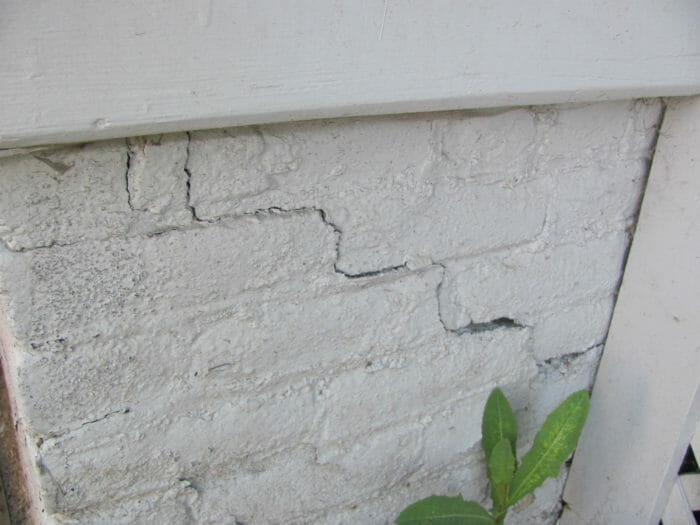
We can save you money and answer your questions about stucco, eifs, synthetic stucco,hardcoat, water damage,
termite infestation, elastomeric coatings, Dow Corning caulking, moisture free warranty, and stucco bond.
Many home inspection companies are new to stucco or eifs which could hurt in the sale
of a home or cost homeowners a lot of money in repair costs.
We have inspected over 10,000 stucco homes in the city of
Atlanta and suburbs.
Our experience in eifs and stucco home
inspections, chemistry, litigation, manufacturing, technical specifications, research, and development in this industry is
unsurpassed.
Stucco homeowners or buyers rest assured that
if these products are installed and maintained properly they will last as long if not longer than brick, wood, vinyl, or any
siding system.
All Stucco Inspections Inc. does the following:
*Full moisture testing and inspection.
*Photographs of
any needed upgrades.
*Written report documenting observations.
*Stucco report is ready the very same day as inspection.
*List of independant certified contractors.
*Follow-up inspection after any upgrades are completed at 1/2 the price
of the original inspection cost.
Compare our services to any other stucco inspection company in Atlanta and find out
that All Stucco Inspections does the most for your dollar and no other company has as much experience as we do.
We also offer a follow-up inspection at half the original price of the initial
inspection. Meaning if you did have work done on your home we will come back to make sure the stucco contractor did it right.
We also inspect commercial buildings including shopping centers,
malls, hotels, motels, hospitals, industrial buildings, and high rises.
We are also certified to do mold inspections of black mold, stachybotrys mold, and toxic mold along with indoor air
quality and sick house syndrome testing.
Click here
for mold inspections.
Click on our link below for more
information on black toxic stachybotrys mold inspections.770.590.7880 847 989-0211 or 1-800-MOLD-LAB
We bring peace of mind to our clients in offering services no other Atlanta stucco
home inspection company can offer.
EIFS means Exterior Insulation
and Finish Systems
you will see EFIS, EEFS, IFIS, or FEIS.
Hardcoat stucco means cement, lime, and sand
you will see stuco, stuko, stucko, or stucc-o.
Please note:Testing equipment is 50% of the stucco inspection the other 50%
is our experience.
Can you trust your lifetime investment
with novice home inspectors or repair companies?
"We know stucco..."
Beware of stucco repair companies doing stucco inspections which is a conflict of interest costing
Atlanta area homeowners on average between $5000.00 and $7000.00 of unneeded repairs.
Be sure to call us first or as
a second opinion to these stucco companies.
If you do not
use All Stucco Inspections be sure who you hire is a totally independant third party inspection which our company always has
been and always will be. We have no vested interest in repairs and high repair bills as we work for you to save money.770.590.7880
Fact: Infrared testing has been found inconclusive. Stucco
litigation and class action does not recognize infrared moisture testing and neither should you.
We offer follow-up inspection
at 1/2 the price of the original inspection charge.
We have
inspected many stucco and eifs products:
Dryvit
Drivit
Thorowall
Finestone
Sto
Stow
Stowe
Senergy
Acrocrete
Premix Marbletite
Parex
Shield Industries
Shields
SIR Stucco
Bonsal
Fuller
Eurocoat
Best
Colormatch
Color
Guard
Masterwall
R Wall
USG
Celotex Quick R
Stucco Sir
Densglass Gold
Durock
Drivet
Pro Stucco
Drivett
Drivette
Dryvet
Dryvette
Termite Inspectors
Termite Bond
Termite cutting
of stucco
and many more...
No matter how you spell it...
We know "stucco". 1-800-665-3522 770 590-7880
and 847 989-0211
Serving all of Chicago land area including:
Elgin
East Dundee
West Dundee
Sleepy Hollow
Cook County
Algonquin
Batavia
McHenry
St. Charles
Geneva
Bartlett
Hanover
Park
Bloomingdale
Aurora
Kane County
Lake County
McHenry County
Schaumburg
Hoffman Estates
Carpentersville
Streamwood
Chicago
Warrenville
West Chicago
Roselle
Kane County
Cook
County
Lake County
DuPage County
Roselle
Libertyville
Wayne
Naperville
Palatine
Hampshire
Pingree Grove
McHenry County
Lake Geneva Wisconsin
Barrington
Elburn
Sugar Grove
Wheaton
Winfield
Glendale Heights
Carol Stream
Lily Lake
Plato Center
Arlington Heights
Glen Ellyn
Lombard
Elmhurst
Libertyville
Addison
Bensenville
Wood Dale
Itasca
Elk Grove Village
Huntley
Barrington Hills
Inverness
Lake Zurich
Rolling Meadows
Woodstock
Mt Prospect
DesPlains
Northbrook
Wheeling
Cary
Wonderlake
Fox River Grove
Lakewood
Bull Valley
Hinsdale
Oak Brook
Rosemont
Dekalb
Lake in the hills
Crystal Lake
South Elgin
Rockford
Serving all of Atlanta and suburbs including:
Marietta
Smyrna
Alpharetta
Roswell
Duluth
Suwanee
Cumming
Decatur
Rome
Rockmart
Sugar Hill
Acworth
Kennesaw
Woodstock
Chamblee
Norcross
Tucker
Atlanta
Sandy Springs
Buckhead
Midtown
Lawrenceville
Lilburn
Fairburn
Social Circle
Fayetteville
Peachtree City
Riverdale
Stone Mountain
Cartersville
Calhoun
Dalton
Powder
Springs
Hiram
Douglasville
Carrollton
Newnan
Emerson
Dallas
Dunwoody
Covington
Conyers
Austell
Mableton
Jasper
Dahlonega
Gainesville
Bartow County
Cobb County
Gwinnett
County
Fulton County
Fayette County
Cherokee County
Dekalb County
Rockdale County
Forsyth County
Floyd County
Rome
We are also in Florida :
Clearwater
St. Petersburg
Tampa
Dunedin
Safety Harbor
Pinellas County
Hillsborough County
Oldsmar
Palm Harbor
Bradenton
Largo
Pinellas
Park
Treasure Island
Seminole
Hudson
Port Richey
Belleair
Plant City
Lakeland
Orlando
Winter Springs
Daytona
Mt. Dora
Longwood
Sanford
Atlanta - 770 590-7880
Chicago - 847 989-0211
Orlando - 407 314-2975
Radon Testing
Is
Radon killing you?
Exposure to Radon Causes Lung Cancer In Non-smokers and Smokers Alike
Lung
cancer kills thousands of Americans every year. The untimely deaths of Peter Jennings and Dana Reeve have raised public
awareness about lung cancer, especially among people who have never smoked. Smoking, radon, and secondhand smoke are
the leading causes of lung cancer. Although lung cancer can be treated, the survival rate is one of the lowest for those
with cancer. From the time of diagnosis, between 11 and 15 percent of those afflicted will live beyond five years, depending
upon demographic factors. In many cases lung cancer can be prevented; this is especially true for radon.
Exposure
to Radon Causes Lung Cancer In Non-smokers and Smokers Alike
Lung cancer kills thousands of Americans
every year. The untimely deaths of Peter Jennings and Dana Reeve have raised public awareness about lung cancer, especially
among people who have never smoked. Smoking, radon, and secondhand smoke are the leading causes of lung cancer.
Although lung cancer can be treated, the survival rate is one of the lowest for those with cancer. From the time of
diagnosis, between 11 and 15 percent of those afflicted will live beyond five years, depending upon demographic factors.
In many cases lung cancer can be prevented; this is especially true for radon.
Exposure to
Radon Causes Lung Cancer In Non-smokers and Smokers Alike
Lung cancer kills thousands of Americans
every year. The untimely deaths of Peter Jennings and Dana Reeve have raised public awareness about lung cancer, especially
among people who have never smoked. Smoking, radon, and secondhand smoke are the leading causes of lung cancer.
Although lung cancer can be treated, the survival rate is one of the lowest for those with cancer. From the time of
diagnosis, between 11 and 15 percent of those afflicted will live beyond five years, depending upon demographic factors.
In many cases lung cancer can be prevented; this is especially true for radon.
Radon Testing
Liz Hoffman
Providing A Voice To Stop the Nation's 2nd Leading Cause of Lung Cancer
One in five people diagnosed with lung cancer have never smoked.
Prevention for your family starts with a simple test of your home.
My name is Elizabeth Hoffmann and I’m a survivor of radon induced lung cancer. Although, I have never smoked, my
15-year exposure to dangerous levels of radon in my home resulted in doctors having to remove the cancerous lower lobe of
my left lung prior to my 38th birthday.
Lucky for me, they caught my cancer early. The National Academy of Sciences (NAS) and EPA blame radon for the deaths
of 21,000 Americans every year. But, their deaths, like my cancer, could have been prevented. A simple radon test at the time
we bought our home in 1988 would have alerted me to fix our house before we moved in. If I’d only known...
Since few oncologists provide a potential explanation for the cause, most non-smokers diagnosed with lung cancer never
make a connection to radon exposure. I would remain clueless myself, if it hadn’t been for the determination of my family
to find out why. My cousin mentioned radon to my father, who tested my house upon my return from the hospital.
The purpose of this website is two-fold: First, to put a face on radon, empowering sufferers of an apparent radon-induced
lung cancer (and their families) with a voice. While it is obviously too late to prevent our cancer, our stories can
convince others to prevent deadly radon exposure by testing and fixing. We can also shape public policy by convincing lawmakers
and government agencies to treat the radon issue and lung cancer with the seriousness they deserve.
Second, to prevent LC victims from remaining clueless. If you or a family member has been recently diagnosed with
lung cancer, it is imperative that you test your home for radon.
If you determine radon is the likely cause of your lung cancer, we’ll simply invite you to come forward and share
your story. Together, we can make a difference for generations to come.
Doctors Warn of the Need For Prevention
People come into my office and say Doc Price I just don’t understand it.
How can this happen to me? I don’t smoke. Nobody ever smokes around me.
How can I have lung cancer?
While it is true that most of my lung cancer patients have had a lot of tobacco exposure, the ones that are especially
sad are the people who have never smoked, have never been around secondhand smoke, who have lived “good clean lives”
and lo and behold, they have a cold or bronchitis, and the chest x-ray and the cat scan show they have lung cancer.
But, it is really hard to convince the public that radon is a problem when the nation’s leading housing authority,
HUD, refuses to take action to prevent radon exposure. They require a termite letter to qualify for a mortgage, yet
to my knowledge a termite never killed anybody. Why are they not requiring a radon test?
We know the direct association between radon and lung cancer. But to the people at risk, it’s a totally unperceivable
problem because you can’t feel it; you don’t smell it and you don’t see it.
Lung cancer kills more Americans each year (160,000) than breast, prostate and colorectal cancers combined. The EPA estimates
21,000 of them are the result of radon-induced lung cancer. That’s nearly 60 per day!”
Never underestimate the importance of prevention in all aspects of your life. If you’re a lung cancer victim
aware of all the ways it is impacting you and your family – you’d be kicking yourself if you knew something a
simple as a radon detection device would have allowed you to prevent this from occurring.
Please contact us at All Stucco and Mold Inspections today 770 590-7880 and schedule a Radon test which cost only $225.00
Where Does Radon Come From?
Radon is a naturally occurring odorless, tasteless, colorless radioactive gas. It is produced by the natural breakdown
of radium in soil, rock and water. Many homes and other buildings, such as schools and offices have high levels of radon.
Because it's odorless and invisible and the lung cancer usually shows up over a long period of exposure, the danger of radon
is often underestimated.
Because of the stack effect, radon can be drawn into the home from the soil below. Common entry points are cracks in
concrete floors, utility access points, spaces around floor drains, sump pits, construction joints and tiny cracks in basement
walls. The concentration will depend on the source strength and the rate of pressure driven entry.
How Does Radon Induce Lung Cancer?
If inhaled, airborne radon decay products become deeply
lodged or trapped in the lungs, where the alphas radiate and penetrate the cells of the mucous membranes, bronchi, and other
pulmonary tissues.
The ionizing radiation energy affecting the bronchial epithelial cells is believed to initiate the process of the carcinogenesis.
Although, radon-related lung cancers are mainly seen in the upper airways, radon increases the incidence of all histological
types of lung cancer, including small cell carcinoma, adenocarcinoma, and squamous cell carcinoma.
What is The Evidence?
More is known about the health risk of radon
exposure than almost any other human carcinogen. In fact, the University of Iowa College of Public Health recently compiled
a bibliography of radon epidemiology research that took 192 pages just to list!
These include extensive studies of thousands of underground miners, carried out over more than 50 years worldwide, that
have consistently shown an increase in lung cancer occurrence with exposure to radon progeny.
Miner studies have produced some interesting findings. For example, at equal cumulative exposures, low exposures in the
range of EPA’s 4 pCi/L Action Level over longer periods produced greater lung cancer risk that high exposures over short
periods. Non-smoking miners were observed to have a significant increased risk, even after controlling for, or in the absence
of other mine exposures such as asbestos, silica, diesel fumes, arsenic, chromium, nickel, and ore dust. An added synergic
effect between radon exposure and cigarette smoking was also found.
The NAS has repeatedly concluded that it is reasonable to extrapolate from the miner data to a residential situation
and in doing so, consider that the effective doses per unit of exposure for people in homes is approximately 30% less than
for the miners.
Residential studies have yielded similar findings. The Iowa Residential Radon Study completed in May of 2000 determined
that even at the EPA Action Level of 4 pCi/L, an approximate 50 percent excess lung cancer risk was found among the women
in the study after correcting for the impact of smoking.
A 2002 residential study conducted in northeast Spain yielded similar results. Even at concentrations far below official
guideline levels, the Spanish study found that radon might lead to a 2.5-fold rise in the risk of lung cancer.
Exposures of animals further confirm that radon and its progeny cause lung cancer. Health effects observed in animals
exposed to radon include lung carcinomas, pulmonary fibrosis, emphysema, and a shortening of life span.
The incidence of respiratory tract tumors increased with an increase in cumulative exposure. Exposure to ore dust
and diesel fumes simultaneously with radon did not increase the incidence of lung tumors above that produced by radon progeny
exposures alone. In a study of rats exposed to radon progeny, it was observed that the risk of lung cancer was elevated at
exposure levels similar to those found in homes.
Can High Radon Levels Be Reduced?
A certified or licensed contractor can easily and affordably reduce
elevated radon levels. Most techniques prevent radon from entering your home by drawing the radon from below the house and
venting it through a pipe to the air above the house where it quickly dilutes.
Mitigation can also decrease moisture and other soil gases entering the home, reducing mold, mildew, methane, pesticide
gases and other air quality problems.
Facts About Lung Cancer
Lung cancer is the leading cause of cancer deaths in the United States.
Lung cancer kills more Americans each year than breast, prostate and colorectal cancers combined.
Lung cancer kills more women each year than breast cancer.
Lung cancer kills 85% of newly diagnosed patients within five years.
Approximately 50% of the people diagnosed with lung cancer have never smoked or are former smokers.
Lung cancer gets few of the research dollars because of the perception it is self-inflicted by smoking.
In 2003, approximately $1,740 was spent on research per lung cancer death, compared with: $13,649 per breast cancer death,
$10,560 per prostate cancer death and $4,581 per colorectal cancer death.