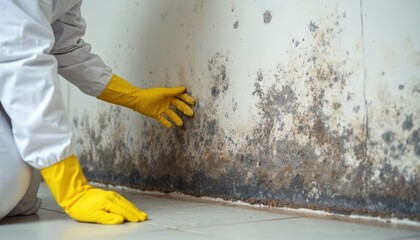
Water damage restoration is the process of cleaning, repairing, and restoring a property after it has been affected by unwanted water intrusion. Water damage can occur suddenly or develop slowly over time, but in both cases it can cause serious structural and health related issues if not addressed properly. Common causes include burst pipes, leaking appliances, roof leaks, flooding, sewer backups, and even minor plumbing issues that go unnoticed for long periods. Visit All Pro Services for more information.
When water enters a home or building, it does not simply sit on the surface. It quickly spreads into flooring, walls, insulation, furniture, and personal belongings. Porous materials absorb moisture, which creates the ideal environment for mold growth and material deterioration. Even small amounts of water can weaken structural components if left untreated.
Water damage restoration exists to stop this progression. Its goal is not only to remove visible water but also to address hidden moisture, prevent long term damage, and return the property to a safe and functional condition.
The Importance of Acting Quickly After Water Damage
Time is one of the most critical factors in water damage restoration. The longer water remains in a structure, the more damage it causes. Within minutes, water can spread across floors and seep into walls. Within hours, wood can begin to swell, drywall can soften, and metal components may start to corrode. After a day or two, mold growth becomes a serious risk.
Quick action reduces repair costs and limits damage. Addressing water intrusion early can prevent the need for major reconstruction and protect valuable belongings. It also helps maintain indoor air quality, which can decline rapidly in damp environments.
Water damage restoration professionals emphasize rapid response because early intervention often makes the difference between a manageable restoration and a costly rebuild. Understanding this urgency helps property owners prioritize immediate action when water damage occurs.
What Water Damage Restoration Involves
Water damage restoration is a multi step process designed to address both visible and hidden damage. It goes beyond simple cleanup and requires specialized equipment and expertise. The goal is to remove water, dry affected areas, clean and sanitize surfaces, and restore damaged materials.
The process begins with an assessment to determine the extent of the damage and identify the water source. This evaluation helps determine the appropriate restoration plan and safety precautions. Not all water damage is the same, and different types of water present different risks.
Once the plan is established, restoration professionals begin removing standing water and moisture. Drying, cleaning, and repairs follow in a structured sequence. Each step builds on the previous one to ensure the property is fully restored and safe for occupancy.
Types of Water Damage and Their Impact
Water damage is often categorized based on the source of the water, which affects how restoration is handled. Clean water comes from sources such as broken supply lines or rainwater. While initially safe, it can become contaminated if left untreated.
Gray water contains contaminants and may come from appliances like washing machines or dishwashers. This type of water requires more careful handling due to potential health risks.
Black water is highly contaminated and may originate from sewage backups or floodwaters. It poses serious health hazards and requires extensive sanitation and protective measures during restoration.
Understanding the type of water involved is essential because it determines the level of cleaning, disinfection, and material removal required. This classification helps restoration professionals protect both the property and its occupants.
Step One: Inspection and Damage Assessment
The first step in water damage restoration is a thorough inspection and assessment. Restoration professionals examine the affected areas to determine how far the water has spread and which materials are impacted. Moisture detection tools are often used to identify hidden water behind walls, under floors, and in ceilings.
During this stage, the source of the water is identified and addressed. Stopping the water intrusion is critical before restoration can proceed. Without resolving the cause, damage will continue and restoration efforts may be wasted.
The assessment also helps create a detailed restoration plan. This plan outlines which materials can be saved, which need repair, and which must be replaced. Clear assessment ensures that restoration efforts are efficient and effective.
Step Two: Water Removal and Extraction
Once the inspection is complete, the next step is removing standing water. Water extraction is performed using specialized pumps and vacuums designed to handle large volumes of water quickly. This step is essential because removing excess water reduces drying time and limits further damage.
The speed and thoroughness of water removal directly affect the success of the restoration. Lingering water can continue to seep into materials, increasing the risk of mold and structural damage. Professional equipment allows for faster and more complete extraction than household tools.
After standing water is removed, attention turns to moisture that has been absorbed into building materials. This moisture is not always visible, which is why advanced drying techniques are required.
Step Three: Drying and Dehumidification
Drying is one of the most critical phases of water damage restoration. Even after water is extracted, moisture remains in walls, floors, furniture, and air spaces. Professional restoration teams use industrial air movers and dehumidifiers to remove this trapped moisture.
Air movers increase air circulation, which helps evaporate moisture from surfaces. Dehumidifiers remove moisture from the air, preventing it from reabsorbing into materials. This controlled drying environment helps restore normal humidity levels and protects the structure.
Drying times vary depending on the extent of damage, materials involved, and environmental conditions. Monitoring equipment is used to track moisture levels and ensure drying is complete before moving on to repairs.
Step Four: Cleaning and Sanitizing Affected Areas
Water damage often leaves behind dirt, debris, and contaminants, especially in cases involving gray or black water. Cleaning and sanitizing are essential to restore a healthy indoor environment. This step involves treating affected surfaces with antimicrobial solutions to reduce bacteria and mold growth.
Personal belongings such as furniture, clothing, and documents may also require cleaning or specialized restoration techniques. In some cases, items can be salvaged through professional cleaning methods. In others, they may need to be discarded for safety reasons.
This phase of restoration helps eliminate odors and prevents long term health issues. Proper cleaning ensures that the property is not only dry but also safe to occupy.
Step Five: Repairs and Restoration
The final phase of water damage restoration focuses on repairing and rebuilding damaged areas. This may include replacing drywall, repairing flooring, repainting walls, or restoring cabinetry. The extent of repairs depends on how much damage occurred and how quickly restoration began.
In minor cases, repairs may be minimal. In more severe situations, reconstruction may be necessary to return the property to its original condition. The goal is to restore functionality and appearance while ensuring structural integrity.
This step completes the restoration process and allows occupants to fully resume normal use of the property.
Preventing Mold Growth During Restoration
Mold is one of the most serious risks associated with water damage. It can begin growing within 24 to 48 hours in damp conditions. Water damage restoration focuses heavily on mold prevention by removing moisture and treating affected areas promptly.
Drying and dehumidification are the primary defenses against mold. In some cases, additional mold remediation steps may be required if growth is detected. Addressing moisture thoroughly reduces the likelihood of future mold issues and protects indoor air quality.
Preventing mold is not just about comfort but also about health. Mold exposure can cause respiratory issues and other health concerns, making prevention a key goal of restoration.
Why Professional Water Damage Restoration Matters
While some minor water issues can be addressed by property owners, professional water damage restoration offers significant advantages. Professionals have the equipment, training, and experience needed to handle complex situations safely and effectively.
They understand how water behaves within structures and know how to identify hidden damage. Professional restoration reduces the risk of incomplete drying, lingering moisture, and future problems. It also ensures compliance with safety standards and proper handling of contaminated water.
For homeowners and property managers, professional restoration provides peace of mind and helps protect long term property value.
Insurance and the Restoration Process
Water damage restoration often involves working with insurance providers. Documentation, photos, and detailed assessments are typically required to support claims. Restoration professionals are familiar with this process and can help provide the necessary information.
Understanding insurance coverage and restoration timelines helps property owners navigate a stressful situation more smoothly. Clear communication between restoration teams and insurance companies can speed up approvals and repairs.
Final Thoughts on Water Damage Restoration
Water damage restoration is a comprehensive process designed to protect properties from further harm and restore them to safe, livable conditions. It involves much more than removing water, addressing hidden moisture, preventing mold, and repairing damage are all essential components.
By acting quickly and understanding how the restoration process works, property owners can reduce damage, control costs, and protect their health. Professional water damage restoration provides the expertise and resources needed to manage water related emergencies effectively.
When handled correctly, water damage restoration not only repairs the immediate problem but also helps ensure the long term safety and durability of the property.